


Why some beautiful homes are frustrating to live in!

It is easy to be drawn to a home that looks stunning in photos or on Pinterest. High ceilings. Feature windows. A dramatic kitchen. Seamless indoor-outdoor flow. Beautiful materials and refined detailing. And while all of those things can absolutely add to a home, they do not automatically make it a great place to live. Some homes photograph beautifully but feel awkward in everyday life. Others may look simpler on paper, yet feel effortless, calm and practical once you move in.
At Byrne Homes, we believe the best homes do both. They look beautiful, but they also work beautifully for the people living in them.
Good design is not just about looks
A home can tick all the visual boxes and still create daily frustrations.It might be a kitchen that looks incredible but does not function well when two people are using it. A laundry placed in the wrong part of the house. A hallway that wastes space. A living area that has plenty of glass but no privacy or shelter. A beautiful open-plan layout that feels noisy and exposed rather than calm and connected. These are the kinds of things that are easy to overlook early on, especially when the focus is naturally on style, inspiration and overall layout. But they are often the details that shape how a home feels to live in every day.

The difference between a home that looks good and one that lives well
A home that lives well usually feels easy.
You move through it naturally. Storage is where you need it. Light arrives at the right times of day. Rooms feel connected without everyone being on top of each other. The kitchen, living and outdoor areas work together in a way that suits your lifestyle. Private spaces feel private. Busy areas feel practical.
That sense of ease does not happen by accident.
It comes from carefully thinking through how the home will actually be used, not just how it will look in drawings or finished photos.
Common reasons beautiful homes can feel frustrating
1. The layout suits the plan, not the people
A floorplan can look balanced and impressive on paper, but still not suit the routines of the people living there.
Where do the kids dump their bags? Can groceries come straight from the car to the pantry easily? Is there enough separation between entertaining spaces and quiet spaces? Can guests use a bathroom without walking through the private part of the home?
These practical questions matter more than many people expect.
2. There is not enough storage in the right places
Storage is one of the biggest factors in how calm a home feels.
Not just how much storage there is, but where it is.
A home can have a generous total floor area and still feel cluttered if it lacks useful storage near the entry, kitchen, laundry, bedrooms or outdoor living areas. Beautiful homes quickly become frustrating when everyday items have nowhere to go.
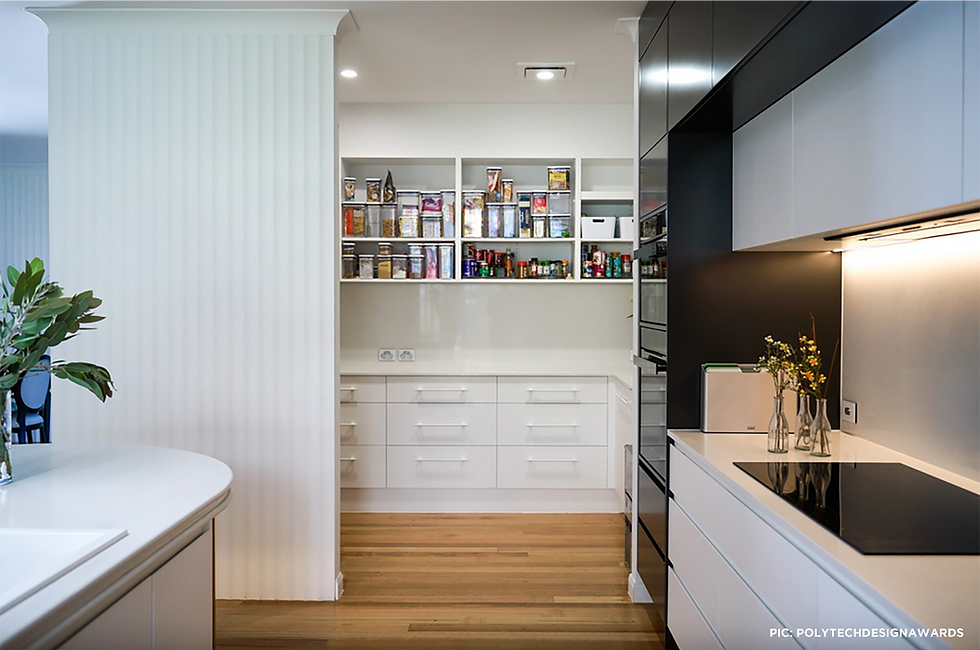
3. The kitchen looks amazing but does not function well
The kitchen is often the visual centrepiece of a home, but it also needs to perform.
A stunning kitchen can still be difficult if the walkway is awkward, the fridge is in the wrong place, there is not enough bench space where it is actually needed, or the scullery creates more separation than convenience.
A well-designed kitchen should support real life, not just make a statement.
4. Indoor-outdoor flow sounds good, but does not work in practice
Indoor-outdoor flow is something almost every client wants, and for good reason.
But good indoor-outdoor flow is not just about adding large sliders.
It also depends on wind, privacy, shelter, sun, furniture layout, and how naturally the outdoor space connects to the way you live. A beautifully detailed deck is of limited value if it is too exposed, too hot, too shaded, or disconnected from the spaces you use most.

5. Natural light has been considered, but not daily living
A home may have plenty of glazing and still not feel comfortable.
It might overheat in summer, lack privacy, miss the best light in key rooms, or fail to create warmth where it matters most. The right light in the wrong room is not as helpful as people think.
Good design considers not just how much light there is, but how it supports the way the home is used across the day and throughout the year.
6. Too much open plan can reduce comfort
Open-plan living can be fantastic, but it still needs balance.
When everything is too open, homes can feel noisy, cluttered and lacking in retreat spaces. It becomes harder for different family members to use the home in different ways at the same time.
Often the best homes are the ones that combine openness with subtle separation.
A home should support real life
The homes that stand the test of time are usually not the ones chasing trends.
They are the ones designed around how people actually live.
That means understanding the site, the sun, the outlook, the family routine, the stage of life, and the small daily patterns that shape comfort and convenience.
It also means asking better questions early in the process.
Not just:
What do we want the house to look like?
But:
How do we want this home to feel?
How do we want mornings to work?
Where do we need privacy?
What parts of daily life do we want to feel easier?
Those are the questions that lead to a home that not only looks beautiful, but genuinely enhances the way you live.

The best homes do both
Beautiful design matters. Of course it does.
But real success is when a home feels just as good on an ordinary Tuesday as it does in the finished photos.
At Byrne Homes, we believe great homes should be both visually impressive and deeply practical. That is where good design, thoughtful planning and real building experience come together.
Because a home should not just look right.
It should live right too.


